Rejuvenate Your Space: A Detailed Guide to Bathroom and Kitchen Remodeling
Homeowners often overlook the potential of their kitchens and bathrooms. Transforming these spaces can substantially boost both functionality and style. Understanding the multiple facets of the process is essential. From cost management to selecting the right features, each decision shapes the outcome. Productive discussions with contractors also plays a vital part. As one navigates through these considerations, the possibilities for a transformed living space become more apparent. What steps should one take to secure a successful remodel?
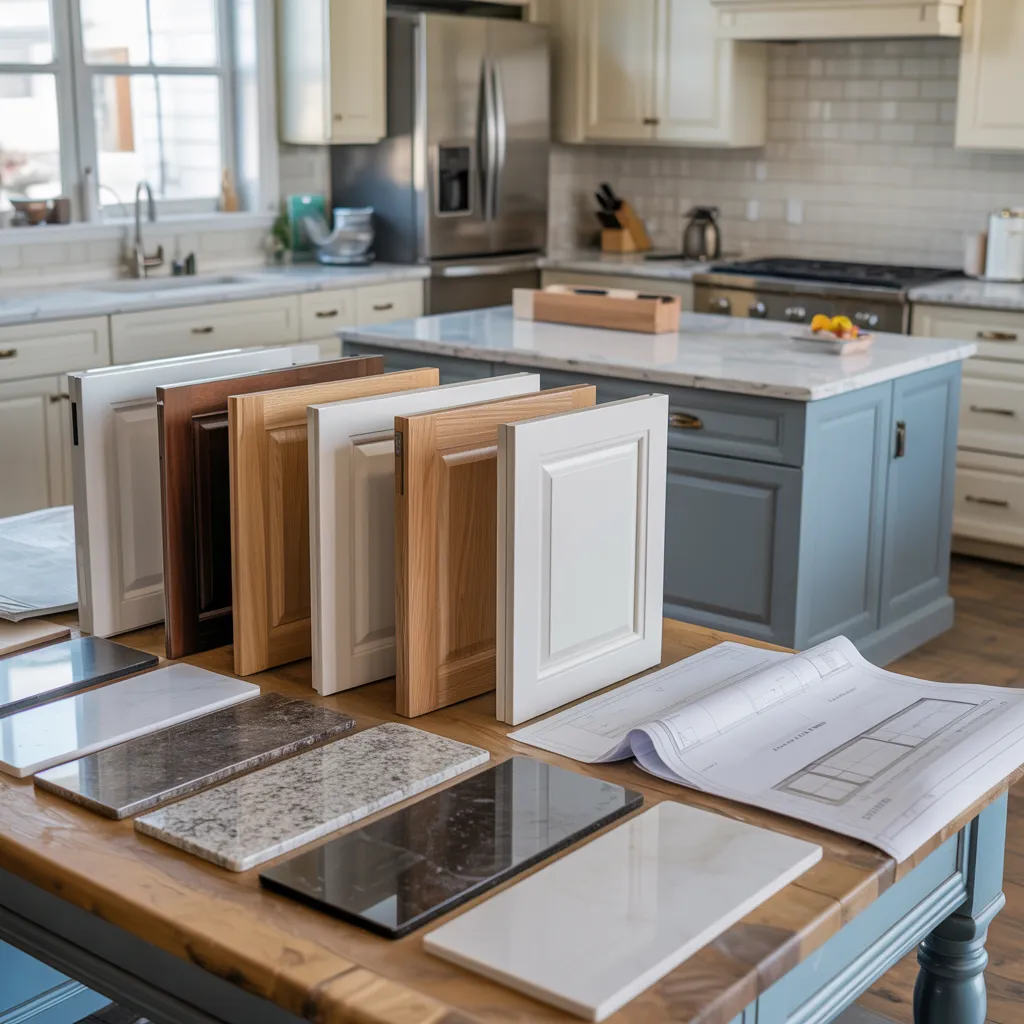
Comprehending the Perks of Kitchen and Bathroom Remodeling
Why is kitchen and bathroom remodeling frequently at the top of homeowners' lists? These areas play a crucial role in everyday living and significantly influence a home's functionality and visual appeal. A modern kitchen can enhance cooking experiences, making meal preparation more enjoyable and efficient. Modern appliances and designs can boost energy conservation, leading to sustained cost reductions.
In the same way, bathroom renovation can transform a basic space into a personal oasis. Features including updated fixtures, superior lighting, and enhanced layouts can elevate comfort and convenience. Both kitchen and bathroom upgrades often deliver a high return on investment, boosting property value and attracting potential buyers.
Furthermore, these renovations enable homeowners to individualize their space, reflecting individual tastes and lifestyles. In the end, kitchen and bathroom remodeling provides both functional benefits and emotional satisfaction, making them leading priorities for many homeowners seeking to upgrade their living environment.
Setting a Realistic Budget for Your Remodel
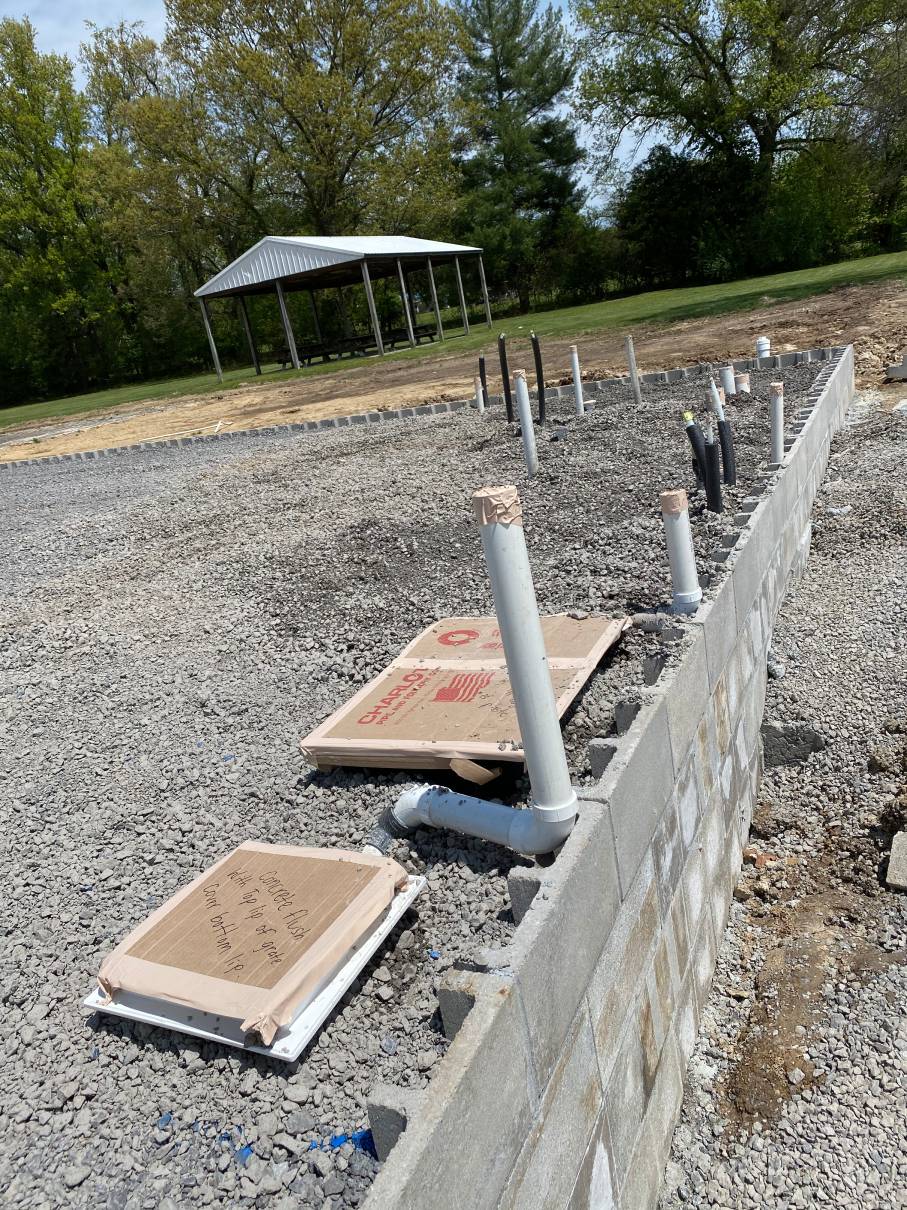
A properly outlined budget functions as the cornerstone of any well-executed kitchen or bathroom remodel. Creating a realistic financial plan involves assessing the overall costs associated with materials, labor, and potential unforeseen expenses. Homeowners should commence by researching standard pricing for fixtures, cabinetry, and flooring to understand market rates.
Subsequently, it is vital to consider labor costs, which can vary substantially depending on the extent of the project and local rates. Additionally, setting aside a contingency fund, typically 10% to 20% of the total budget, helps accommodate unanticipated issues that may emerge during the remodel.
Focusing on essential features and distinguishing between wants and needs can further refine the budget. By keeping transparency with contractors about budget constraints, homeowners can achieve better results without sacrificing quality. Ultimately, a well-planned budget not only steers the remodeling process but also provides financial peace of mind throughout the project.
Choosing the Right Style for Your Kitchen and Bathroom
How do homeowners find the best style for a kitchen or bathroom remodel? First, homeowners should reflect on their personal preferences and the overall aesthetic of their home. Choosing a style—whether it's modern, rustic, traditional, or minimalist—can help create a cohesive look. Following this, they should examine the space's functionality. Understanding how the kitchen or bathroom will be used daily can guide style choices, confirming that aesthetics do not compromise practicality.
Furthermore, exploring current design trends can offer inspiration, but it is crucial to pick something timeless to eliminate future renovations. Seeking advice from professional designers may also offer valuable insights and help refine the vision. In conclusion, evaluating the local architectural style can improve the home's value and integration within the neighborhood. By balancing personal taste with functionality and design trends, homeowners can select a style that elevates both beauty and utility in their kitchen and bathroom remodel.
Key Features to Add in Your Kitchen Makeover
While planning a kitchen remodel, including key features can considerably enhance both functionality and aesthetics. A well-thought-out layout design, modern appliances, and stylish storage solutions are essential elements that cater to contemporary needs. These components not only improve efficiency but also add to the overall appeal of the space.
Functional Design Layout
A well-designed kitchen layout is crucial for maximizing functionality and ease of use. Key elements to assess include the work triangle, which connects the stove, sink, and refrigerator for ideal workflow. Including generous counter space facilitates food preparation and cooking activities without interruption. Additionally, an open floor plan can boost accessibility and promote interaction, making the kitchen a central hub for family and guests. Storage solutions, such as cabinets and pantry space, should be carefully placed to minimize clutter. Adjustable shelving and pull-out drawers can further enhance organization. Ultimately, incorporating zones for specific tasks—such as cooking, cleaning, and serving—can streamline activities, ensuring the kitchen remains a practical and enjoyable environment for all users.
Contemporary Appliances Range
What characterizes the modern kitchen experience? At its core, it is the integration of advanced technology and energy efficiency. Modern appliances, such as smart refrigerators and induction cooktops, elevate convenience and functionality. They often feature user-friendly interfaces, enabling seamless control through smartphones or voice commands. Energy-efficient models not only decrease utility bills but also encourage sustainability, appealing to environmentally conscious homeowners. Furthermore, multi-functional appliances, like combination ovens and built-in coffee makers, optimize space while providing versatility in meal preparation. Color and finish options allow for personalization, guaranteeing that appliances complement the overall kitchen design. Ultimately, selecting modern appliances transforms the kitchen into a hub of innovation, enhancing both the culinary experience and home aesthetics.
Chic Organization Alternatives
Well-planned storage solutions are necessary for a well-designed kitchen remodel. They maximize space and elevate functionality while contributing to a modern aesthetic. Incorporating deep drawers for pots and pans can enhance cooking experiences, while pull-out shelves give easy access to pantry items. Vertical storage solutions, such as wall-mounted racks and open shelving, not only preserve space but also allow homeowners to showcase decorative kitchenware. Custom cabinetry with built-in dividers can help organize utensils and tools systematically. Furthermore, adding a kitchen island can offer extra storage and serve as a focal point. Selecting materials and finishes that complement the overall design confirms that storage solutions blend seamlessly into the kitchen's ambiance, creating a harmonious and practical environment.
Prime Characteristics for a Chic Bathroom Upgrade
What's the best way for homeowners to create a functional and stylish bathroom remodel? Incorporating modern design elements and features is vital. A floating vanity both creates visual space while offering a contemporary, sleek look. Large-format tiles enhance the sense of openness, making the bathroom seem bigger while minimizing grout lines.
Integrating a rainfall showerhead or a freestanding soaking tub introduces a touch of luxury, transforming routine activities into spa-like experiences. Additionally, energy-efficient fixtures, such as low-flow toilets and LED lighting, enhance sustainability without diminishing style.
Smart technology, including motion-sensor faucets and heated floors, provides convenience while elevating the overall aesthetic. To achieve a unified appearance, property owners should opt for a subtle color scheme complemented by striking decorative elements. Finally, ample natural light, through well-placed windows or skylights, can make any bathroom feel inviting and fresh, reinforcing the balance of style and functionality.
Selecting the Ideal Contractors for Your Renovation Work
Selecting the right contractors for a remodel demands careful consideration of several factors. It is crucial to verify qualifications and experience, request thorough estimates, and assess communication capabilities to ensure a successful collaboration. These steps can enable homeowners find professionals who align with their vision and budget.
Validate Licenses And Experience
Selecting the right contractors for a kitchen and bathroom remodel requires careful scrutiny of their credentials and experience. Homeowners should commence by verifying that contractors possess the essential licenses and insurance, ensuring compliance with local regulations and protection against potential liabilities. It is prudent to check for any certifications that indicate specialized training or expertise in remodeling projects. Moreover, reviewing a contractor's portfolio can provide understanding into their style and quality of work. Gathering references from former clients can further confirm a contractor's reliability and professionalism. Engaging in direct conversations with candidates about their experience in similar projects will help homeowners assess their suitability, ensuring a successful remodel that fulfills expectations.
Ask for Thorough Quotes
Obtaining detailed estimates from potential contractors is an crucial step in the remodeling process. This practice enables homeowners to compare pricing, materials, and timelines, providing transparency in the project. When requesting estimates, it is essential to provide each contractor with the same project details, including design preferences and specific materials. This consistency enables accurate comparisons. Homeowners should look for comprehensive estimates that outline labor costs, material expenses, and any additional fees. Moreover, it is wise to inquire about the warranty on workmanship and materials. By carefully assessing the estimates, homeowners can make informed decisions, selecting a contractor whose proposal matches their budget and vision for the remodel, while also confirming quality and reliability.
Evaluate Communication Competencies
Strong communication is crucial when hiring contractors for a remodeling project, as it sets the tone for collaboration and project success. Future clients must examine a contractor's communication skills during initial meetings. This includes gauging their responsiveness to inquiries, clarity in explaining processes, and willingness to listen to client concerns. A contractor who communicates effectively will provide detailed timelines, address potential issues proactively, and ensure that the client's vision aligns with the proposed plan. Furthermore, clients should consider whether the contractor uses technology, such as project management apps, to facilitate communication. Finally, selecting a contractor with strong communication abilities can lead to a more seamless remodeling experience and a more satisfying end result.
Comprehensive Guide to Mapping Out Your Remodel
When homeowners embark on the journey of remodeling their kitchen or bathroom, meticulous planning becomes crucial to guarantee a successful transformation. The first step involves setting a clear budget, which dictates the scope of the project. Following this, homeowners should establish their specific goals and needs, considering both functionality and aesthetics. Exploring design ideas through online resources, publications, and see now design centers can generate choices that align with personal style.
Once a vision is created, designing a detailed layout is vital. This should include dimensions and picking key features like cabinets, countertops, and fixtures. Homeowners should also consider the timeline for the project, anticipating potential delays in material delivery or labor.
In conclusion, it is recommended to engage professionals, such as designers or contractors, to refine plans and verify feasibility. By following these steps, homeowners can establish a strong foundation for a successful remodel that satisfies their expectations.
Directing Your Remodel Properly
Once homeowners have developed a well-defined plan for their bathroom or kitchen remodel, handling the project efficiently becomes essential to confirm that the vision is achieved without unnecessary delays. Open communication with contractors is critical; homeowners should consistently check in to discuss progress and handle any concerns. Establishing a realistic timeline helps avoiding delays, while maintaining a flexible approach permits for adjustments when unexpected issues arise.
Budget oversight is also critical; diligently monitoring costs ensures that the project remains financially viable. Homeowners should identify their must-haves versus nice-to-haves to manage potential changes in scope.
Finally, it is crucial to stay active throughout the journey, from choosing materials to reviewing designs, which fosters a sense of ownership and fulfillment. By employing these strategies, homeowners can work through their remodel with more ease, making the process as pleasant as the final result.
Enhancing Your Home's Worth via Remodeling
Homeowners regularly aim to increase their property's value through considerate remodeling endeavors, acknowledging that strategic upgrades can deliver impressive returns. Kitchens and bathrooms rank among the most significant rooms to upgrade, as they commonly act as primary focal areas for prospective homebuyers. Updating these areas can enhance both visual appeal and practicality, rendering a property more attractive.
Investing in high-quality materials and current designs can additionally increase the overall value. For instance, energy-efficient appliances and fixtures not only draw in buyers but also lower utility costs. Furthermore, creating an open-concept layout can boost space perception, making it feel more spacious and more inviting.
It's vital for homeowners to carry out market research to ensure that their remodel fits with neighborhood trends and buyer expectations. Ultimately, thoughtfully planned remodeling projects can provide a significant return on investment, making them a sound choice for homeowners committed to boosting their property's appeal and marketability.
Your Questions Answered
How Long Will a Typical Kitchen or Bathroom Renovation Take?
A standard kitchen or bathroom remodel generally takes between 4-12 weeks, determined by the intricacy of the project, the extent of improvements, and the availability of materials and labor. Each situation varies considerably.
Which Permits Are Needed for Remodeling and Updating a Kitchen or Bathroom?
Permits for remodeling a kitchen or bathroom typically include building permits, plumbing permits, and electrical permits. Requirements vary by location, so it is essential to verify with local authorities for detailed requirements and needed paperwork.
Can I Remain in My Home While the Remodel Is in Progress?
Yes, living in your home during a remodel is feasible, though this may include disruptions like dust, noise, and restricted access to specific rooms. Proper preparation can reduce interruptions throughout the remodeling work.
What Are the Most Common Mistakes to Avoid During Remodeling?
Common mistakes during remodeling include lacking budgeting, insufficient planning, disregarding permits, underestimating timelines, opting for trendy over timeless designs, refusing to communicate with contractors, and ignoring essential details like lighting and storage solutions. Careful consideration is essential.
How Should I Manage Unexpected Issues During the Remodeling Process?
To address unexpected issues during remodeling, you should stay calm, analyze the situation, work with professionals if necessary, revise the budget and timeline, and engage openly with all people involved to find practical solutions.